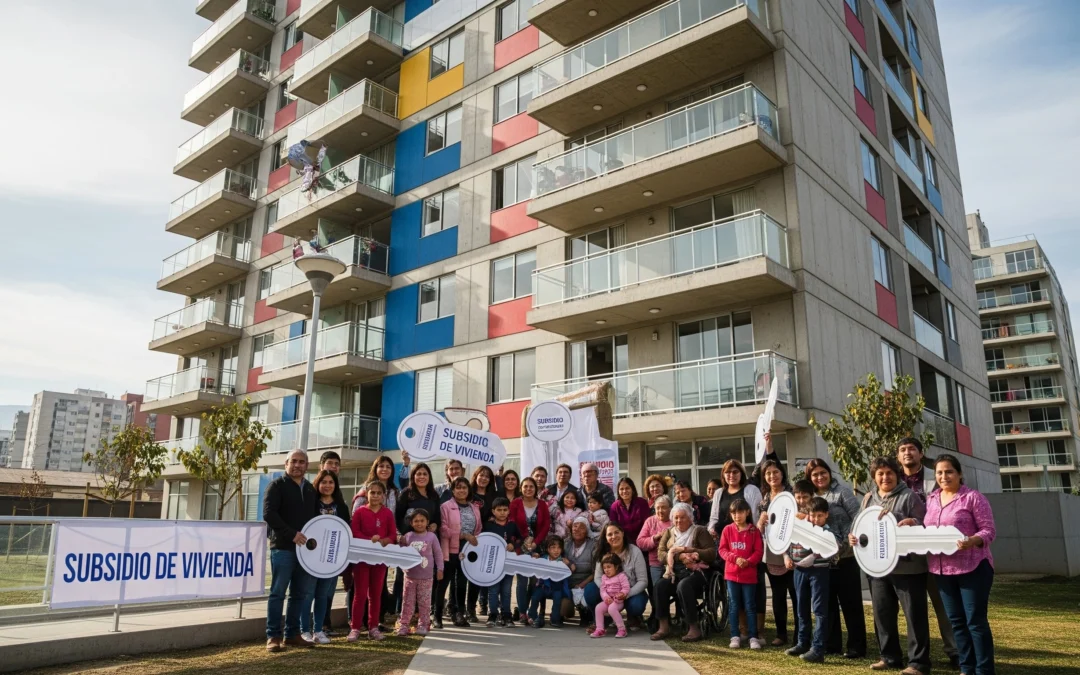
Homeownership is a big deal—it’s like unlocking a level of stability and pride that almost every culture values, and Chile is no different. For millions of families here, that dream has become possible thanks to the “Subsidio Habitacional”—a government program that helps people buy homes without drowning in debt. It’s honestly one of the most complete housing support systems in Latin America.
Understanding Chile’s Housing Subsidy System
Think of Chile’s housing subsidy system as the government giving families a little boost to make owning a home actually possible. Run by MINVU (the Ministry of Housing and Urban Development), it’s like the State saying, “We’ve got your back,” helping people buy, build, or even rent homes. Basically, it fills the gap between what families have saved and what a house actually costs.
Here’s the cool part: the subsidy doesn’t work alone. It teams up with your own savings and, if needed, a mortgage loan—like a superhero squad making your dream home a reality. The government knows most families can’t pay for a home all at once, but with the right help, it’s totally doable.
The Role of UF (Unidad de Fomento)
Before picking a program, you need to know about the UF, Chile’s inflation-proof money unit. Think of it as a magic calculator that keeps your subsidy’s value steady over time—so even if prices go up, your support stays strong. It’s like locking in the power of your money against the sneaky rise of costs.
Main Types of Housing Subsidies
Chile’s housing subsidies are like a toolbox—different programs for different families, all aimed at making a home possible. Knowing which one fits you is key.
DS1 Subsidy – Middle-Class Housing Support
The DS1 is for middle-class families buying their first home. Think of it as a step-ladder with three levels:
- Tramo 1: Homes up to 1,000 UF
- Tramo 2: Homes up to 1,600 UF
- Tramo 3: Homes up to 2,200 UF
For Tramo 3, families can get 250–550 UF depending on the region. Basically, it’s like the government saying, “Here’s some cash to help you snag that dream home, wherever you live.”
DS49 Subsidy – Supporting Vulnerable Families
The DS49 helps families who really need a hand getting a basic home—up to 950 UF. It starts with a 314 UF base and can grow depending on location. Plus, there’s extra support for families with members who have disabilities. Think of it as giving the most vulnerable a fair shot at a safe, comfortable home.
Construction and Improvement Subsidies
Chile also backs families who want to build or upgrade their homes. Projects need at least three rooms, and the subsidy can team up with your own money or a mortgage. There’s also help to repair or improve homes, making sure living spaces are safe and comfortable—not just fancy.
Rental Subsidies for Young Families
Not ready to buy? No worries. Young or vulnerable families can get rental subsidies, paying part of their rent while working toward owning a home later. It’s like a stepping stone: stability now, dream home later.
Eligibility Requirements and Application Process
Getting a housing subsidy in Chile is kind of like leveling up in a game—you need to meet certain requirements and follow the right steps to unlock your reward: a home. Luckily, once you know the rules, it’s way less scary than it sounds.
General Eligibility Criteria
Here’s what most programs look for:
- Age Requirements: You have to be 18 or older—basically old enough to be responsible for your own home.
- Homeownership Status: You (and your family) can’t already own a house, so the help goes to those who really need it.
- Income Thresholds: Each program sets limits to make sure support goes to the right people—whether that’s middle-class families or those in more vulnerable situations.
- Savings Requirements: You’ll need some personal savings in a designated housing account. Think of it like showing you’re serious and ready to invest in your dream home.
The Application Process
Applying is easier than you think, especially now that MINVU has online applications. It’s like filling out a form, but with your future home in mind. Here’s the path:
- Documentation Preparation: Gather all your papers—proof of income, savings account statements, and family details.
- Program Selection: Pick the subsidy that fits your family’s situation best.
- Online Application Submission: Apply through MINVU during the official call periods.
- Evaluation and Selection: The system scores applications based on factors like family vulnerability, savings, and local housing needs. If your score is high enough, you move forward!
Timing and Application Windows
Timing is super important. For example, with the DS1 program, your housing savings account must have been opened by April 30, 2024, and you need to have minimum savings in place before applying. It’s kind of like knowing when the special event in a game starts—if you miss it, you miss the chance. Planning ahead is everything when chasing a housing subsidy.
Financial Planning and Complementary Financing
Getting a house in Chile isn’t just about the subsidy—it’s about how it fits into your bigger money plan. Think of it like building a sandwich: your savings, the government subsidy, and a mortgage loan all stack together to make the full home.
Savings Strategies
Your savings show you’re serious about owning a home and usually become part of the down payment. Different programs ask for different amounts—DS49 only needs 10 UF, while middle-class programs need more. Smart families figure out how their savings, subsidy, and mortgage work together, unlocking homes they might’ve thought were out of reach.
Integration with Mortgage Financing
Subsidies can team up with mortgage loans to help families buy better homes or borrow less. Lenders actually like this setup because the government support lowers the risk and shows confidence in the buyer. Planning carefully here is like leveling up: the right strategy makes homeownership much more achievable.
Regional Variations and Market Considerations
Chile isn’t one-size-fits-all — it’s a long country with different prices, jobs, and houses. That’s why subsidy amounts (think 250 UF to 550 UF) change depending on the region you declare when applying. The government does this because a house in Santiago doesn’t cost the same as one in a small southern town — simple as that.
Understanding Regional Factors
- Metropolitan Areas: Big cities like Santiago, Valparaíso, and Concepción usually cost more, so the subsidy you get there tends to be higher.
- Northern Regions: Places tied to mining or industry can have weird housing spikes and drops.
- Southern Regions: Rural and semi-rural zones often have cheaper homes but fewer options.
Market Timing Considerations
Housing markets move in waves. Interest rates, how many homes are for sale, and the economy all change the real value of a subsidy. If you try to buy during a price spike, the same subsidy buys less; if markets cool down, it stretches further. So, keep an eye on trends — like checking the weather before a trip — because timing can make your subsidy go a lot farther.
Special Provisions and Additional Benefits
Chile’s housing subsidies aren’t just one-size-fits-all—they’ve got special rules to make sure every family’s unique needs are covered.
Disability Accommodations
If someone in the family has a disability, the government can add extra support—up to 20 UF or even 80 UF for serious mobility needs. Think of it like a bonus power-up that helps modify a house so everyone can live comfortably and safely. It’s the system saying, “We want everyone to have a home that works for them.”
Family Composition Considerations
Families aren’t all the same, and the subsidy program gets that. Single parents, grandparents living with their kids, or other unusual family setups all get special consideration. Basically, the government adjusts the support to match your family’s size and needs—like customizing a game character so it’s perfectly suited to your play style.
Challenges and Solutions in the Application Process
Getting a housing subsidy in Chile is a huge opportunity — but it’s not always a smooth ride. Think of it like preparing for a big school project: there are annoying hurdles, but with the right game plan you can crush it.
Common Application Challenges
- High Competition: Some programs are like the most popular concert tickets — tons of people want them and not everyone gets in.
- Documentation Requirements: Collecting proofs (income, family papers, savings) can feel like doing a scavenger hunt — especially if your income is irregular or your family situation is complicated.
- Timing Coordination: You need your savings, deadlines, and the housing market to line up — like catching a bus that only comes once a week.
- Regional Availability: Even after you win a subsidy, some areas simply don’t have many houses in the right price range — frustrating, like finding out your favorite sneaker is sold out in your size.
Strategies for Success
- Early Planning: Start saving and gathering documents early. It’s like studying for finals — the earlier you start, the less panic later.
- Professional Guidance: Ask housing counselors or real estate pros who know the subsidy rules — they’re like coaches who help you avoid rookie mistakes.
- Market Research: Learn what homes actually cost where you want to live so you don’t fall in love with something you can’t afford. Treat it like window-shopping with a budget.
- Alternative Timing: If one call is crazy competitive, wait for another — flexibility can be your secret weapon.
Future Developments and Policy Trends
Chile’s housing policies are always changing — kind of like updating your favorite video game to add new levels and features. The goal? Making homeownership easier and smarter for families, while keeping up with the economy and society.
Recent Policy Updates
MINVU is pushing Cooperative Housing, teaching officials and cities how to support communities building homes together. They’re also rolling out catalogs for eco-friendly housing projects, so future homes can be greener and better for the planet. Think of it as leveling up from regular houses to “smart, sustainable homes.”
Technological Improvements
Applying for subsidies online is becoming the norm. This digital shift makes the process faster, easier, and less stressful—like switching from writing essays by hand to using a tablet with auto-save.
Economic Adaptations
As Chile’s economy changes, subsidies adjust too. The UF system helps protect the value of the support against inflation, but officials keep an eye on the market to make sure families still get meaningful help. Basically, the program evolves so your dream home stays within reach, even as prices rise.
- Read Also: Colombia: ‘Mi Casa Ya’ – A Pathway to Homeownership
- Read Also: Argentina: Rent vs. Buy Amid Inflation
Conclusion: Making Homeownership Accessible
Chile’s housing subsidies (like DS49 for vulnerable families and DS1 for the middle class) are a real, practical way the State helps people get homes they otherwise couldn’t afford. They’re not magic—they’re targeted help that teams up with your savings and, if needed, a mortgage.
If you want to actually get a house, treat it like training for something big: learn the options, save early, and plan the money. I’ve seen families chip away for years and then open the door to their first home — that moment feels like winning a championship.