
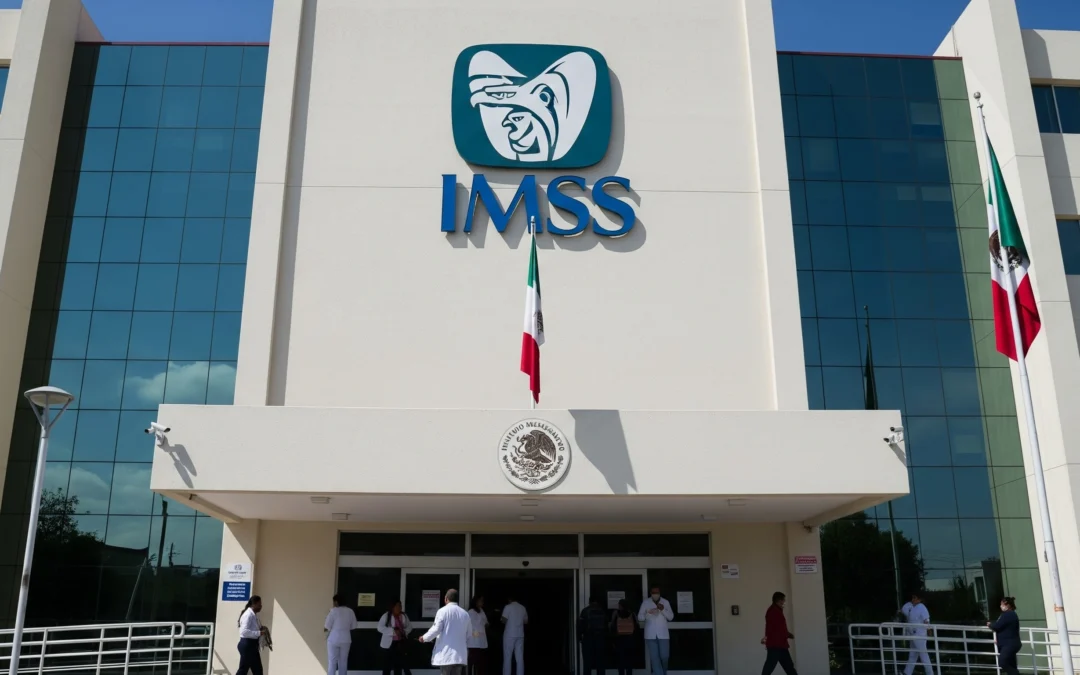
Mexico’s healthcare system might look complicated, but trust me—it’s got you covered whether you’re moving there, already living the dream, or just hanging out for a long stay. Here’s the deal: the IMSS (that’s the big public healthcare system) is the backbone, but you’ll also find tons of private insurance options and even alternative programs if you want extra perks.
Understanding IMSS: The Foundation of Mexican Healthcare
IMSS is Mexico’s main healthcare system—covering around 70 million people! It started back in 1943 and is paid for by workers, employers, and the government. Think of it like a giant team effort to keep people healthy.
Who Qualifies for IMSS Coverage?
If you have a job in Mexico, boom—you’re in. Even expats with proper work permits get covered automatically through their employers. Self-employed? You can sign up too, but you’ll pay monthly fees that depend on your age. Expats with residency can join voluntarily, and coverage extends to family—your spouse, kids (up to 25 if they’re studying), and even dependent parents.
IMSS Cost Structure and Benefits
Here’s the sweet part: once you’re in, most treatments and meds are free. The monthly fee depends on age—like about $63 if you’re in your 50s, up to $93 if you’re in your 70s. The coverage is massive: doctor visits, specialists, hospital care, emergencies, maternity, even mental health. I met an American expat once who couldn’t believe he got his surgery done at almost no extra cost—it blew his mind.
How to Access IMSS Services
Employees are usually signed up automatically, but if not, you register yourself. Once you get your IMSS card and number, you pick a clinic, make appointments, and follow referrals if you need a specialist. Simple, but you’ve got to stick to their process—like lining up at your local clinic instead of just walking into any hospital.
Beyond IMSS: Alternative Healthcare Options
IMSS is huge, but it’s not the only game in town. Mexico’s got other paths depending on who you are and what you need.
ISSSTE: Healthcare for Government Employees
If you work for the Mexican government, you get ISSSTE. It’s like IMSS’s cousin—but with more money per patient, shorter lines, and often nicer facilities. A friend of mine once joked, “If you want faster care, just get a government job!”
INSABI: Universal Healthcare Coverage
INSABI is safety-net care for people with no insurance. It replaced Seguro Popular and now covers millions who’d otherwise have nothing. Think of it as the “no one left behind” plan.
Private Healthcare: Premium Options
Now, if you want quick appointments, fancy hospitals, and top-notch specialists, private care is the VIP lane. Some of the best hospitals in Latin America are right here—like Hospital ABC in Mexico City. Tons of expats and companies choose private insurance because, honestly, nobody likes waiting forever.
Leading Private Insurance Providers
For insurance, locals and expats have plenty of choices. Mexican companies like GNP, AXA, and BBVA are big players, while international names like MetLife, Cigna, Bupa, and IMG cater to foreigners. One expat told me, “I never thought I’d get U.S.-level service in Mexico—until my insurer booked me with a specialist the same week!”
Healthcare Quality and Public Perception
A 2024 survey found something pretty blunt: only 36% of people said they trusted Mexico’s healthcare system to give them the best treatment. Even more striking—76% said lots of people can’t afford good care. That tells you there’s confidence missing and real money problems for many families.
Despite those worries, Mexico’s healthcare system has real perks: lower costs, strong private options, and skilled professionals in many places.
Strengths of Mexican Healthcare
- Affordability: Care in Mexico usually costs far less than in the U.S. or Canada, so medical treatment is within reach for a lot more people.
- Medical Tourism: Tons of international patients come for things like dental work, cosmetic surgery, and specialty procedures.
- Qualified Professionals: Many Mexican doctors train abroad or work with international patients; in tourist areas you’ll find clinicians who speak several languages.
- Advanced Facilities: Big cities have hospitals with modern tech and equipment — some are on par with top centers elsewhere.
Current Challenges
- Resource Allocation: Funding is uneven. IMSS-Bienestar’s per-person spending is expected to drop, which could squeeze services for those without social security.
- Wait Times: Public hospitals often mean long waits for non-emergency care and specialist appointments.
- Geographic Disparities: What you get in Mexico City or Monterrey isn’t the same as in a rural town — quality and access vary a lot depending on where you live.
Choosing the Right Healthcare Option
Figuring out the best healthcare in Mexico isn’t one-size-fits-all. It really depends on your situation—your budget, where you live, and even how healthy you are. Let’s break it down.
For Expatriates and Foreign Residents
- Budget Considerations: If you’re watching your wallet, IMSS is the cheapest way to get full coverage. But if you want faster service and fancy clinics, private insurance is the premium option.
- Location: Living in a big city? You’ll have way more choices for both public and private care. Rural towns? Not so much.
- Health Status: Got a chronic condition or need regular checkups? Private insurance can be a lifesaver since wait times are shorter and you can see specialists quicker.
- Language Preferences: Private hospitals are more likely to have English-speaking staff.
For Mexican Citizens
- Employment Status: If you’ve got a formal job, IMSS is automatic—it’s part of the package.
- Income Level: People with higher incomes often keep IMSS but add private insurance on top, kind of like a backup plan.
- Family Needs: If you’ve got kids or parents depending on you, check carefully what’s included. Family coverage can make a huge difference in emergencies.
Practical Tips for Navigating Mexican Healthcare
Before You Need Care
- Register Early: Don’t wait until you’re sick to sign up. I’ve seen people scramble during an emergency because they never enrolled—total nightmare.
- Understand Your Coverage: Know exactly what’s included. Some plans have waiting periods, so better to find out now than when you’re sitting in a hospital bed.
- Locate Nearby Facilities: Figure out which hospitals and clinics are close to you and actually take your insurance.
- Language Preparation: Learn a few Spanish health words. Even knowing “dolor” (pain) or “medicina” can help.
During Medical Care
- Bring Documentation: Always have your insurance card, ID, and any past medical info. No one wants to explain their appendix surgery from memory.
- Ask Questions: Doctors are busy, but don’t be shy—ask about treatments, costs, or side effects.
- Keep Records: Save every receipt and report. Trust me, insurance companies love paperwork.
- Follow Up: If you see different doctors, make sure they all stay in the loop. Think of yourself as the “team captain” of your own health squad.
The Future of Healthcare in Mexico
Mexico’s healthcare is changing fast — lawmakers and health leaders are pushing reforms to make care easier to get, better, and faster. The government is beefing up public hospitals and letting private clinics grow so people have more real choices.
You’ll see smarter tech, not just new machines but systems that actually talk to each other. Telemedicine is expanding too — so you can get a doctor on your phone instead of traveling for hours. I once heard about a patient in a tiny village who got a specialist consult via video the same day, and it totally sped up the right treatment.
All of this — more tech, better teamwork between public and private clinics, and smarter investment — points to a future where getting good care in Mexico should be easier and more reliable for more people.
- Read Also: Brazil: SUS vs Private Health Plans – A Guide to Healthcare Options
- Read Also: Argentina: The Three Tiers of Healthcare
Making Your Healthcare Decision
Mexico gives you options — public healthcare (IMSS, ISSSTE, INSABI) and private care — and a lot of expats mix the two depending on what they need. Think of public care as the solid, affordable base and private care as the fast, comfy upgrade for emergencies or tricky specialist stuff.
The trick is to match your coverage to your life: your money, where you live, and any health problems you have. Many people keep IMSS for routine visits and add private insurance for quicker specialist access — it’s like having a reliable bike and renting a car when you need to go far.
Talk to local insurance brokers or healthcare advisors if you want someone to map the options for you, and check your plan every year — health needs change, and so should your coverage.